
Regulation
How agricultural remedies are registered and regulated in South Africa.
Agricultural Remedy Framework
A Brief Introduction to the Regulatory Framework in SA
Before an agricultural remedy may be imported, sold, or used in South Africa, it must be registered in accordance with the Fertilizers, Farm Feeds, Agricultural Remedies and Stock Remedies Act of 1947 (Act No. 36 of 1947). Although the Act is old, several amendments have been made to the Act since its inception, and regulations published in support of the Act – the most recent being the ‘Regulations relating to agricultural remedies’ which was promulgated on 25 August 2023. Enforcement of the Act is the mandate of the Department of Agriculture (DoA) under the Directorate Agricultural Inputs Control (DAIC), which recently informed stakeholders that the Act is being revised in order to keep it up to date with changing technologies, international agreements and good practice.
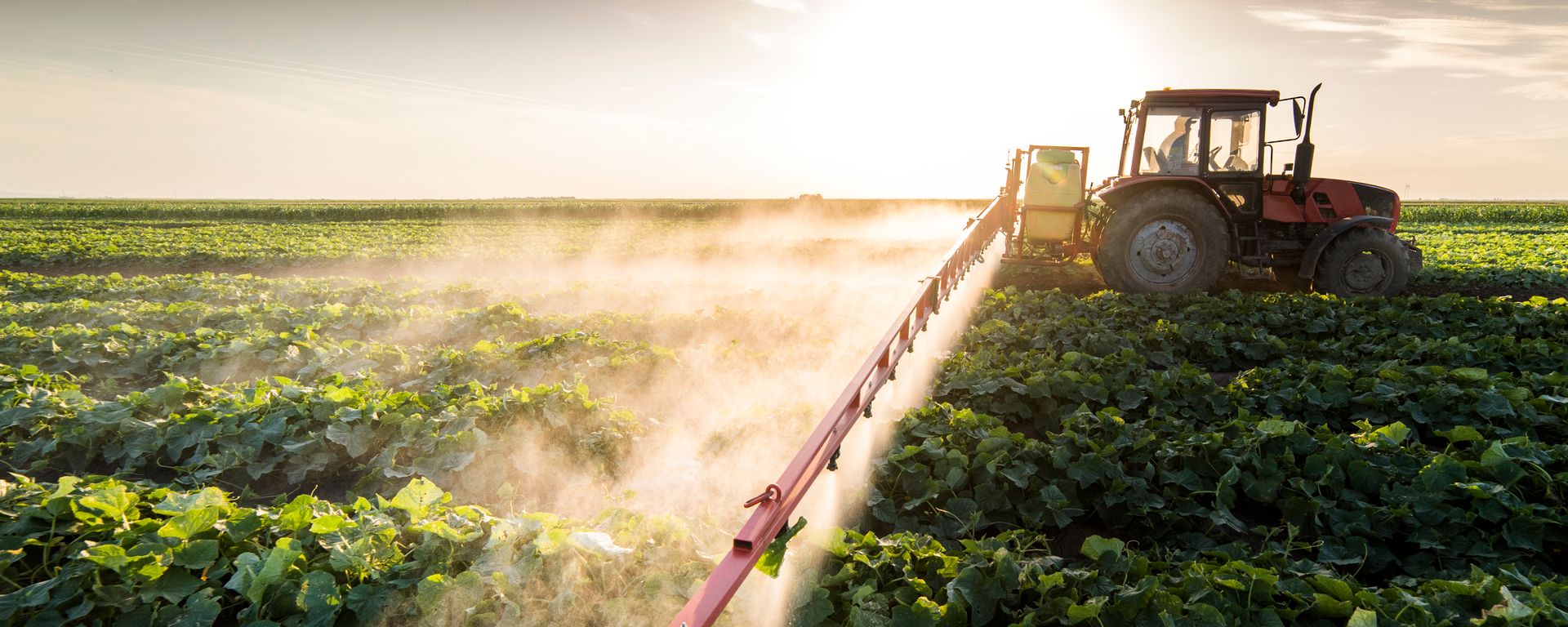
The type of products regulated under the Act as ‘agricultural remedies’ is not just conventional chemical pesticides, but also other products claiming pest control, like biologicals. The Act defines an agricultural remedy as any chemical substance or biological remedy, or any mixture or combination of any substance or remedy intended or offered to be used for the destruction, control, repelling, attraction or prevention of any undesired microbe, alga, nematode, fungus, insect, plant, vertebrate, invertebrate, or any product thereof. Thus, even biological products like predatory insects, plant extracts or pheromones must be registered under the Act.
During the registration process, the Registrar evaluates a wealth of scientific evidence, such as the chemical composition, stability, toxicology, efficacy, potential residues and environmental fate of the remedy. This warrants that any remedy registered under the Act has undergone rigorous evaluation to ensure it can be used safely and effectively. Farmers can use these remedies with peace of mind, knowing that their crops are well protected, while consumers know that the food they consume is safe to eat.
-
Registration Numbers
Registered agricultural remedies are assigned a registration number starting with an “L” and followed by several numerical numbers unique to the remedy. This number can be found on the front page of the product label. It is an offence to sell and use an agricultural remedy that is not registered under the Act.
-
Managed Throughout Their Lifecycle
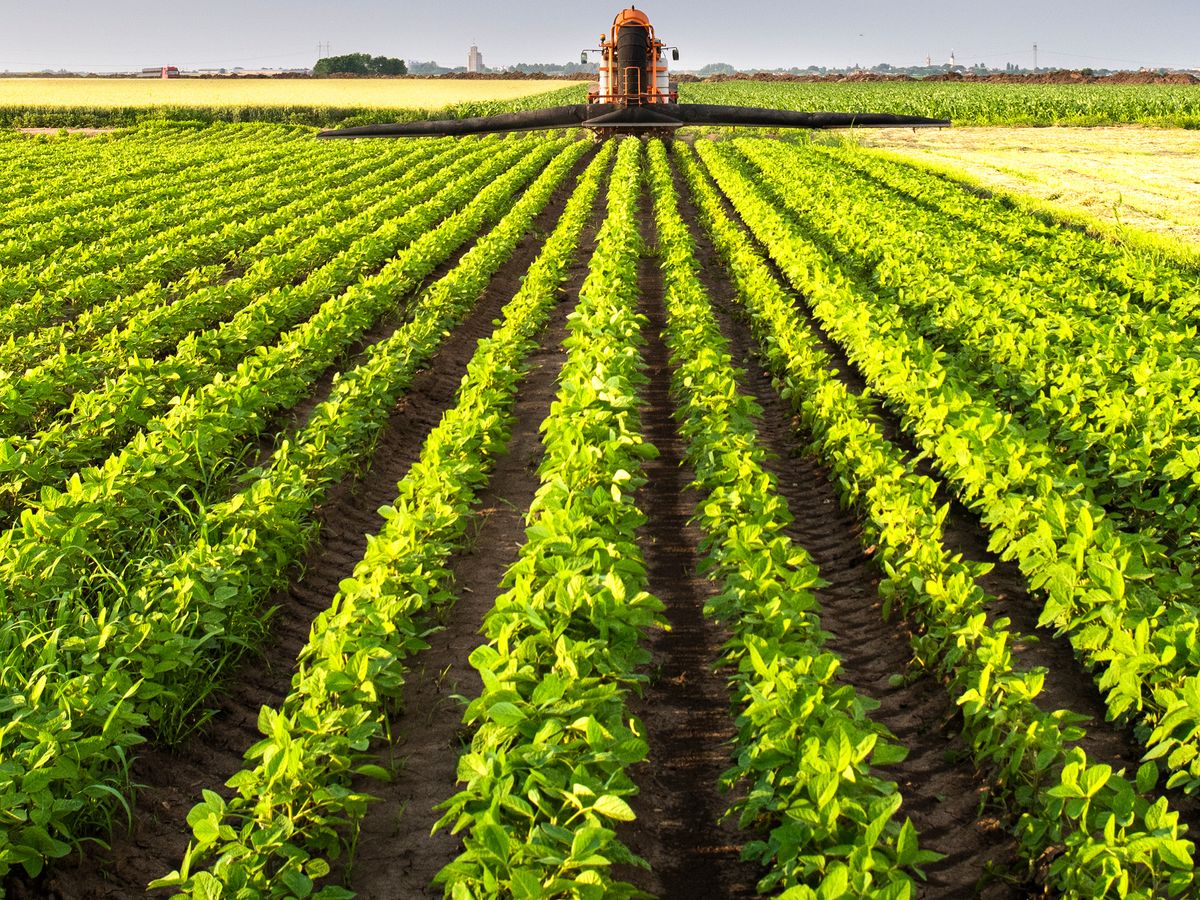
Agricultural remedies are vital for food security and farmer livelihoods. All these measures help ensure that agricultural remedies are managed responsibly throughout their lifecycle, from importation and distribution, application on farms, the production of safe food for consumers, and the safe disposal of waste.
Other Acts and Departments
Although Act 36 of 1947 is the principal Act in South Africa governing agricultural remedies, the Act does not operate in isolation. Numerous other Acts and government departments also play a role in the regulation of agricultural remedies. For example, the Department of Health by means of the Foodstuffs, Cosmetics and Disinfectants Act (Act 54 of 1972) sets maximum residue limits (MRLs) – the legal permissible amount of an agricultural remedy that may remain on a crop after harvest; the Department of Employment and Labour under the Occupational Health and Safety Act (Act 85 of 1993) ensures the safety of workers using agricultural remedies; and the Department of Forestry, Fisheries and Environment under the National Environmental Management: Waste Act (Act 59 of 2008) ensures the safe disposal and recycling of obsolete stock and empty pesticide containers.
Registration Guidelines
More information on how to register agricultural remedies in South Africa are published on the website of the Department of Agriculture which can be accessed here: