
Pollinator Safety
Protecting the pollinators that help sustain our food systems
Protecting Pollinators
A Shared Responsibility
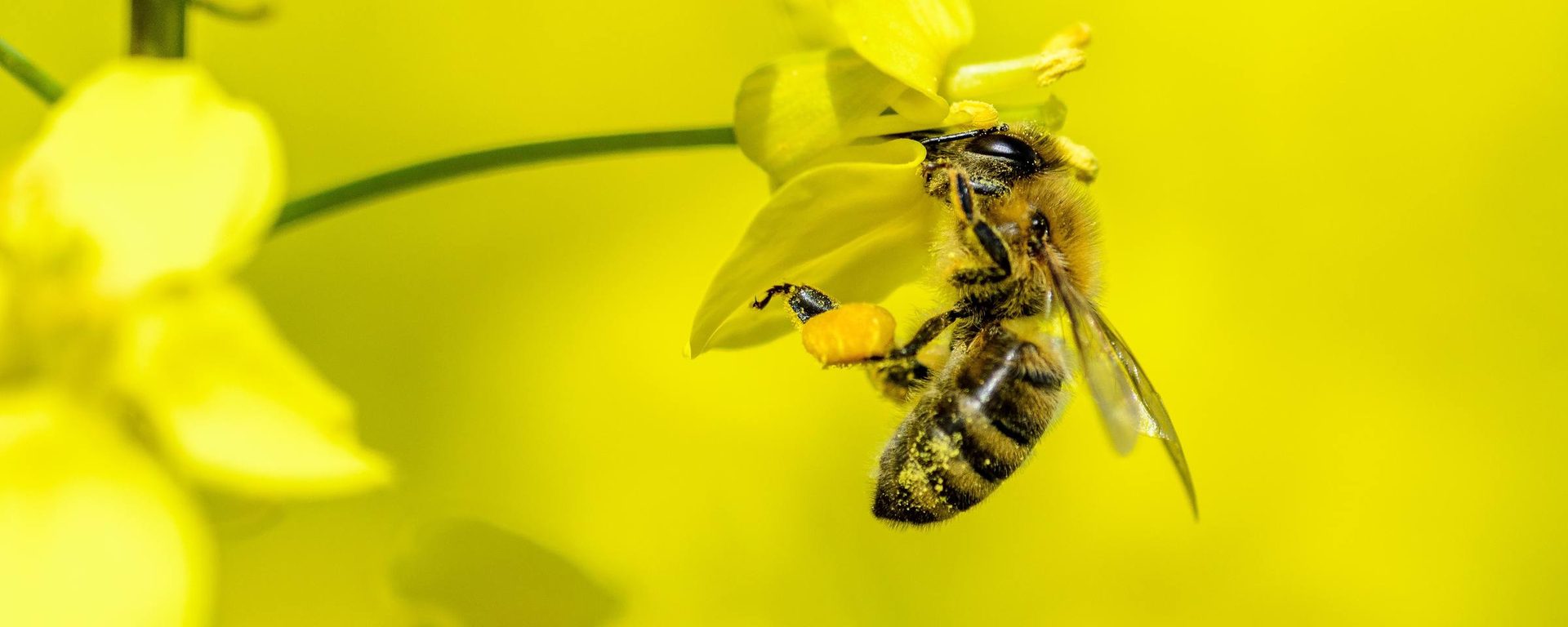
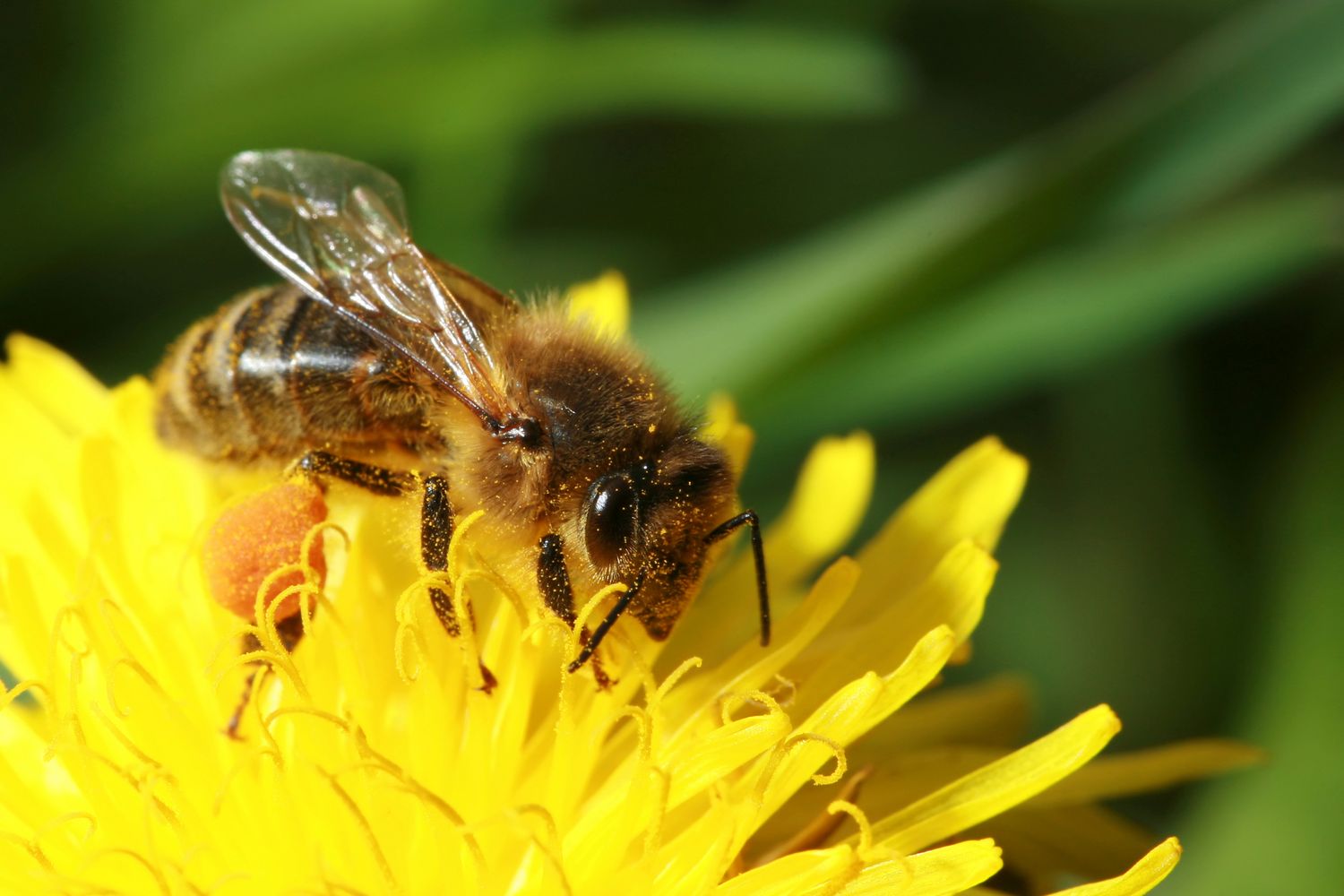
Pollinators play an essential role in maintaining healthy ecosystems and supporting sustainable agricultural production. From honeybees and wild bees to butterflies and other beneficial insects, pollinators contribute to the reproduction of many flowering plants, including a significant number of crops that contribute to our food supply. Protecting these important species is therefore a shared responsibility that extends across the agricultural value chain.
The responsible use of crop protection products is an important part of safeguarding pollinators. When agricultural remedies are used, it is essential that farmers and other users follow label instructions, consider the presence and activity of pollinators, and take appropriate precautions to minimise potential exposure. Good agricultural practices, including careful application timing, preventing spray drift and communicating with beekeepers where necessary, can make a meaningful difference.
Protecting pollinators does not mean choosing between crop protection and environmental sustainability. Rather, it is about making informed decisions that allow us to protect crops while minimising unintended impacts on the beneficial organisms that support agricultural production. Through responsible use, awareness and collaboration, we can help create an environment where both agriculture and pollinators can thrive.
Every responsible application contributes to protecting the pollinators that help sustain our food systems.
Pollinator Safety ResourcesWatch
Pollinator Safety Videos
CropLife SA Pollinator Do's and Don'ts
Top 5 Benefits of Pollinators