
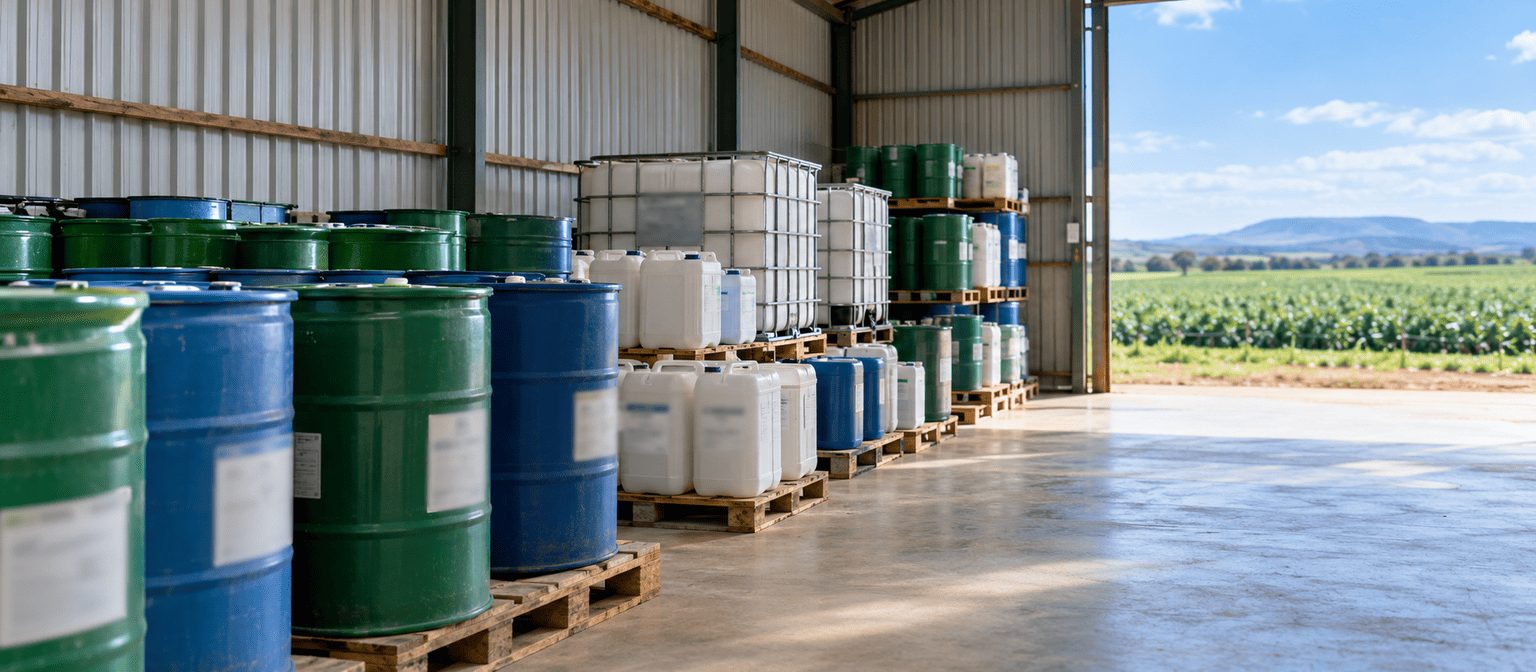
Obsolete Pesticides
CropLife SA Product Responsibility Organisation (PRO) · Reg. 19/7/5/P/PRO/20230428/038
Obsolete pesticides are a serious risk to people and the environment. CropLife SA, on behalf of its subscribing registration holders, arranges for these products and the packaging contaminated by them to be collected, transported and destroyed safely by licensed hazardous waste facilities.
Obsolete pesticides and contaminated packaging
In terms of the Extended Producer Responsibility (EPR) Regulations, 2020 and the EPR Scheme for the Pesticide Sector (Notice No. 3177 of 2023), the EPR scheme covers pesticides, pesticide co-formulants and related containers.
Obsolete pesticide
Any pesticide that can no longer be used for its intended purpose, or that the owner no longer intends to use, and that must therefore be disposed of. This includes expired, deteriorated, banned, deregistered, unidentifiable, unwanted and spilled products.
Contaminated packaging
Any container or packaging that still contains pesticide residue because it was not (or cannot be) properly decontaminated, such as damaged, leaking or unrinsed containers, paper sacks and foil sachets.
Both are classified as hazardous waste and may only be treated by thermal destruction at a licensed facility.
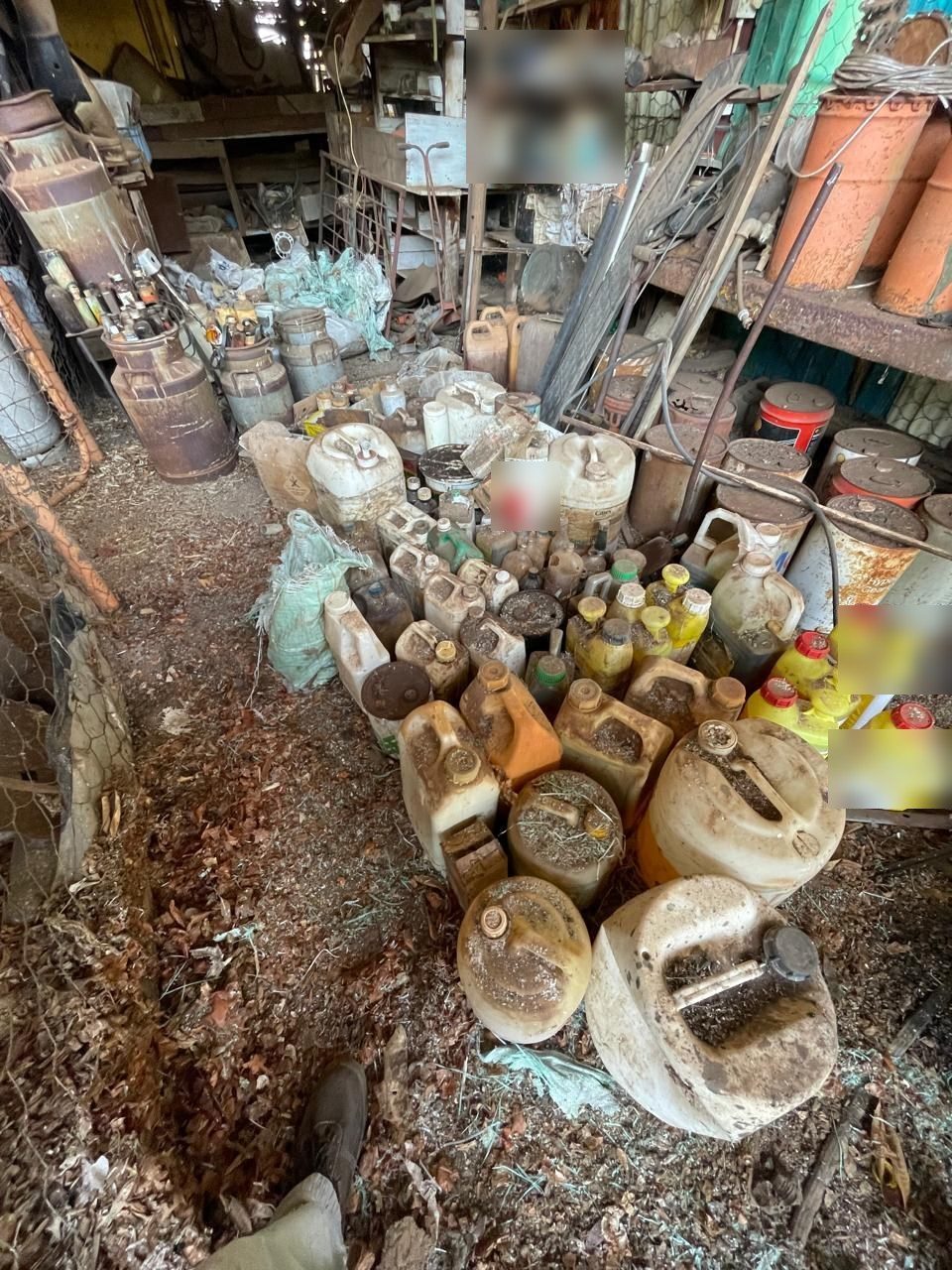
What obsolete stock looks like when nobody deals with it
Over the years, old, expired and unwanted products pile up in farm stores. Drums rust through, boxes collapse, containers leak onto the floor, labels fade, and nobody knows any more what is inside. This puts workers, families, livestock and water sources at risk. Declaring the stock to the CropLife SA PRO is the first step to having it removed safely.
Request assistanceWhich route applies?
Use the descriptions below to decide which route a product or container must follow.
What qualifies as obsolete
A product that can no longer be used legally or safely, or is no longer wanted: expired, deregistered or banned, deteriorated (caked, separated or crystallised), of unknown identity, contaminated, or simply unwanted. Obsolete products go to thermal destruction, not to recycling.
Route: Thermal destructionEmpty container
A container that was emptied, triple rinsed, drained, dried and punctured. It is no longer hazardous and goes to a CropLife SA Certified Recycler (see Empty Container Management).
Route: Certified RecyclerContainer with residue
A container that still has product or residue in it, or was not rinsed. It is contaminated packaging and may not go to a recycler. If the product is still usable, use it according to the label and triple rinse the container. If not, list it on the obsolete pesticide inventory.
Route: Use, rinse or declareLeft-over pesticide
Still registered, within its shelf life and in good condition, but not used. It is NOT yet obsolete. Keep it in its original, labelled container in the pesticide store and use it for a registered purpose, or give it to someone who can use it legally.
Route: Keep and useExpired pesticide
Past the expiry or “best before” date, or deteriorated. Contact the supplier or registration holder first: some products can be tested and re-certified. If not, it is obsolete and must be declared on the inventory.
Route: Check with supplierBanned / unwanted pesticide
Registration cancelled or withdrawn under Act 36 of 1947, prohibited under the Stockholm, Rotterdam or Montreal conventions, or no longer wanted. May not be used, sold or given away. Declare it on the inventory for collection.
Route: Thermal destructionSpilled pesticide
Product released through a leak, burst container, accident or fire, with the soil, absorbent, PPE and packaging contaminated by it. Contain and clean up immediately, bag and label the material and declare it. Serious spills near water must be reported to the authorities.
Route: Clean up and declareCollection and thermal destruction
The standard operating procedure for the collection and thermal destruction of obsolete pesticides and contaminated packaging:
- 1 Request. The waste generator contacts the CropLife SA PRO to request disposal of obsolete pesticide (obsstocks@croplife.co.za or WhatsApp +27 (0) 82 446 8946).
- 2 Inventory. The PRO sends the correct inventory form. The waste generator completes it and returns it by email.
- 3 Review. The PRO Responsible Person and Manager check the inventory, separate Current and Legacy stock, mark high-risk items, and approve it or return it for corrections.
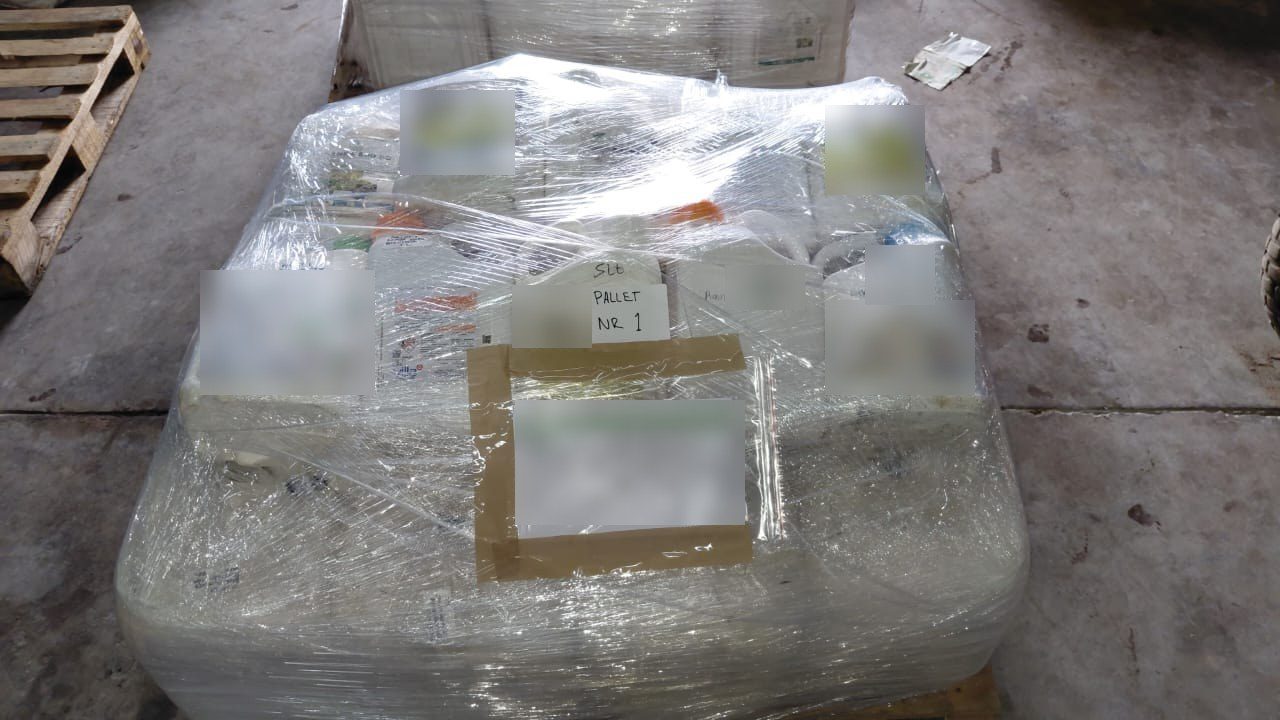
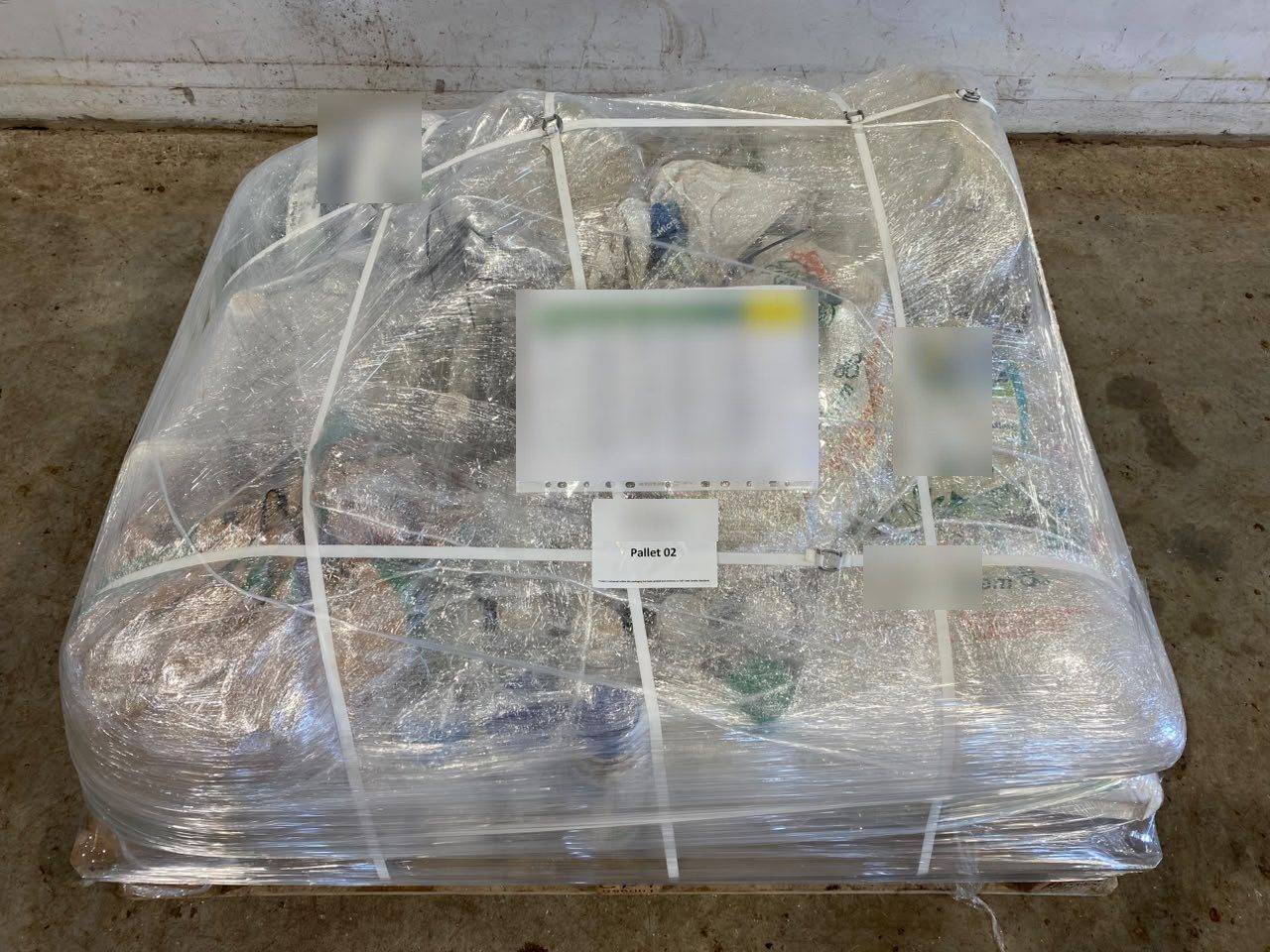
- 4 Pack and photograph. The waste generator packs the materials securely on pallets, takes photos and sends them via WhatsApp for approval. Until collection, products stay in their original containers in a locked, roofed, bunded store, and leaking containers are placed in larger, compatible over-pack containers and labelled.
- 5 Treatment request. The PRO Manager prepares the Treatment Request Form, obtains costs from A-Thermal, and arranges collection or delivery to a temporary collection point.
- 6 Collection. Batches are collected directly from the waste generator, or delivered to a temporary collection point, on the agreed dates. Pallets are checked and extra wrap is added if needed. Transport follows the National Road Traffic Act dangerous goods requirements.
- 7 Weighing. The load is transported to A-Thermal in Olifantsfontein, off-loaded and weighed on the weighbridge. The accurate mass and final costs are recorded.
- 8 Destruction and certificate. A-Thermal carries out the thermal destruction of the obsolete pesticide. A Safe Disposal Certificate is issued and uploaded to the portal, and the PRO reports the quantities destroyed to the DFFE.
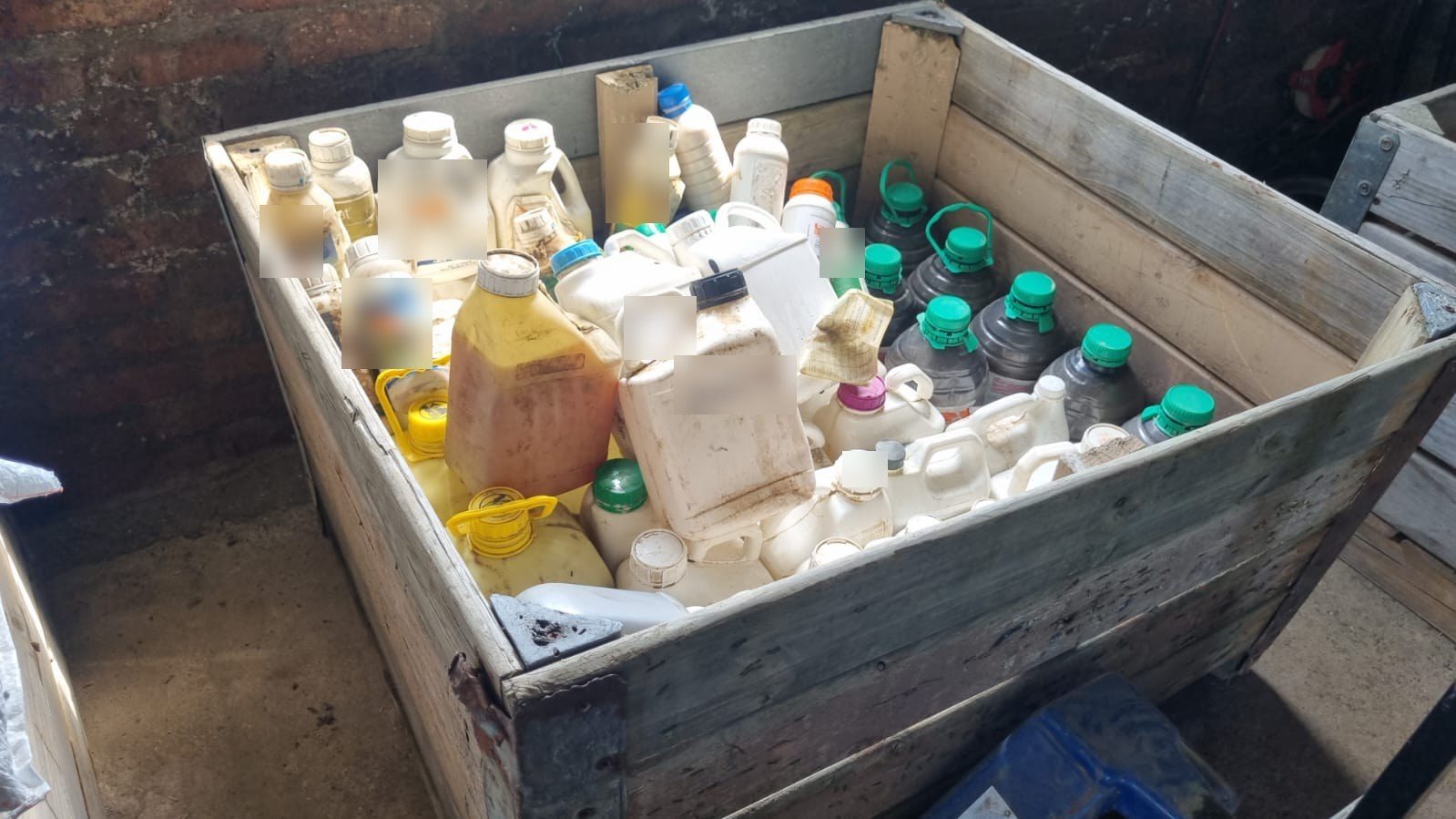
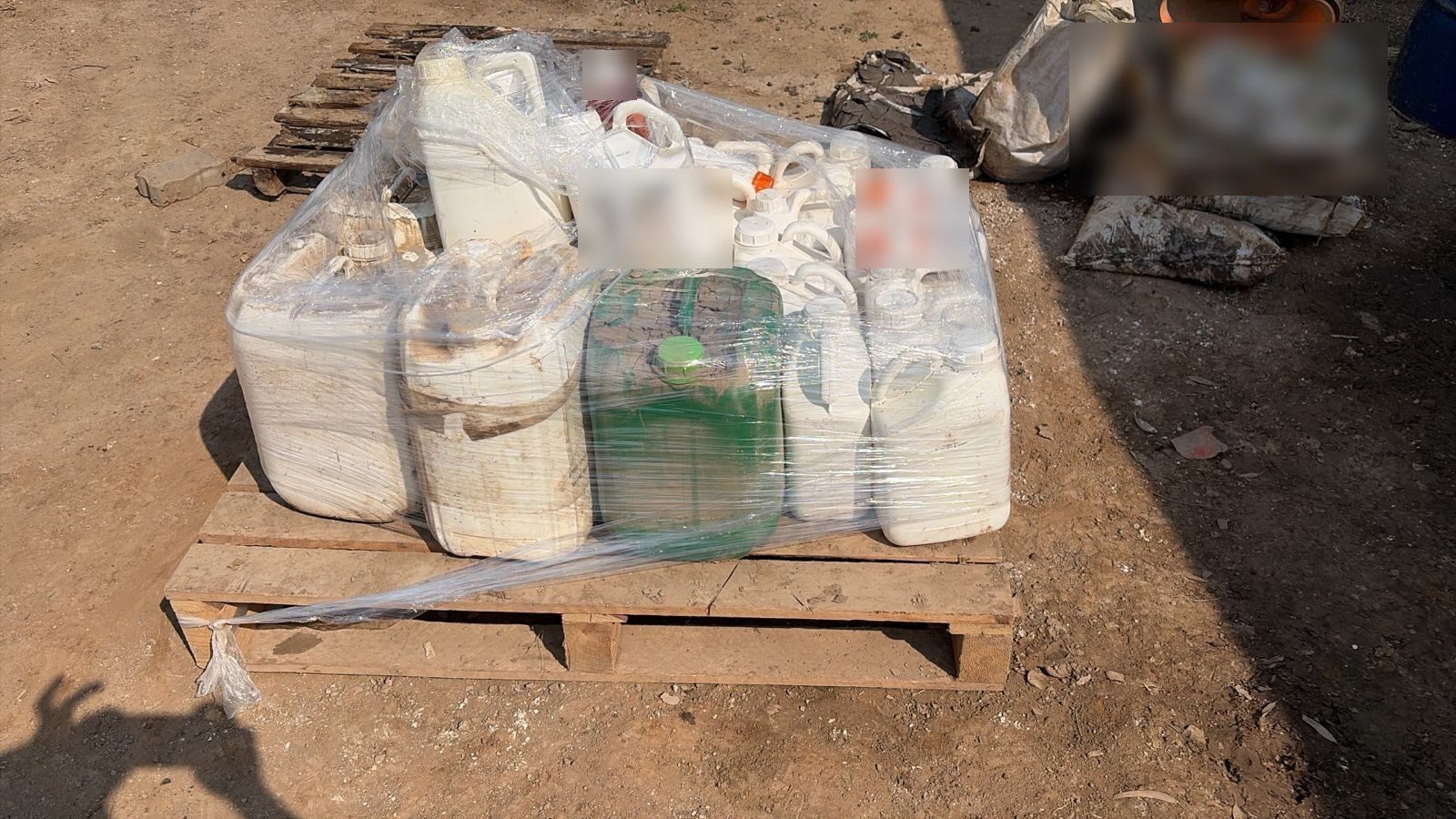
Standard inventories
Standard inventory forms make sure that the PRO receives the same information from everyone, so that collection can be planned and costed correctly. Each inventory records the product name, active ingredient, registration number (L-number), formulation, pack size, number of containers, total quantity (kg or L), condition of the packaging, and whether the product is expired, banned or unidentified.
Agricultural and state agencies
Used by farms, co-ops, distributors and government departments. Also records the storage location, GPS coordinates, contact person and access requirements for large vehicles.
Professional pest control
Used by registered pest control operators. Also records the PCO registration number and categories such as rodenticides, fumigants (phosphides) and aerosols, which need special handling.
Consumers
A short, simple form for home and garden users: product name, number of containers and approximate quantity, so small amounts can be brought to an arranged collection point.
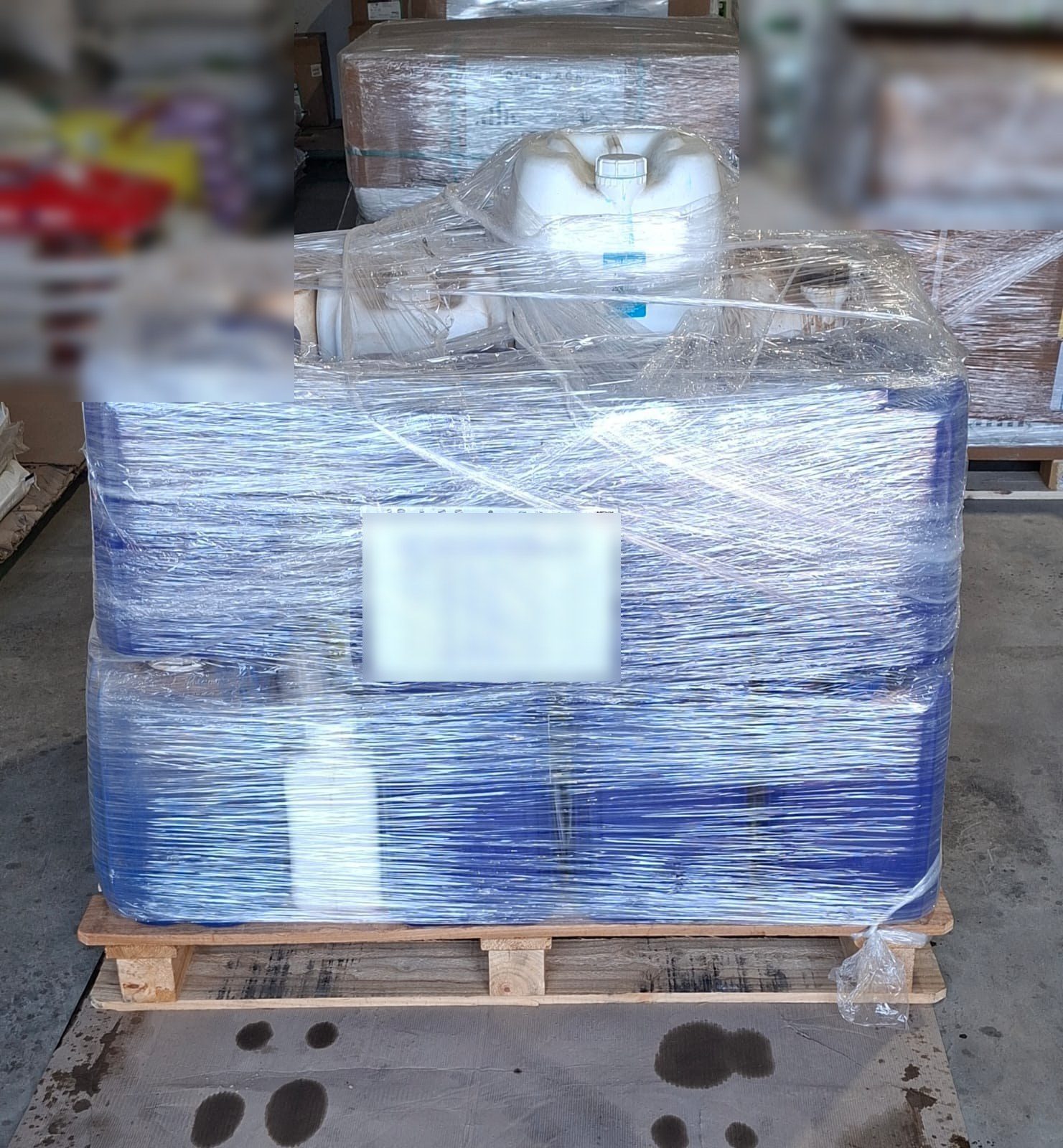
Inventory on the pallet. Obsolete products in their original containers, wrapped on a pallet with the completed inventory list attached in a clear sleeve, so the transporter and the PRO can check every item against the declaration.
Pesticides that require special treatment
Some pesticides must be handled or treated in a special way before or during disposal:
Persistent organic pollutants (POPs)
Organochlorine insecticides such as DDT, aldrin, dieldrin, chlordane, lindane and endosulfan: only high-temperature destruction at a facility approved for POPs (Stockholm Convention).
Aluminium and magnesium phosphide
Release toxic and flammable phosphine gas on contact with moisture. Spent residues must be deactivated before transport and disposal.
Heavy metals
Products containing mercury, arsenic, copper, lead or other heavy metals cannot be incinerated in the normal way. Use a specialised hazardous waste treatment route.
Highly toxic products
Such as strychnine, sodium fluoroacetate (1080) and highly hazardous pesticides: these require secure packaging and documentation.
Pressurised containers
Aerosols, methyl bromide and other gas cylinders: never puncture or incinerate them. Return them to the supplier or a specialised contractor.
Unknown or unlabelled products
Must be sampled and identified, or treated as the most hazardous category.
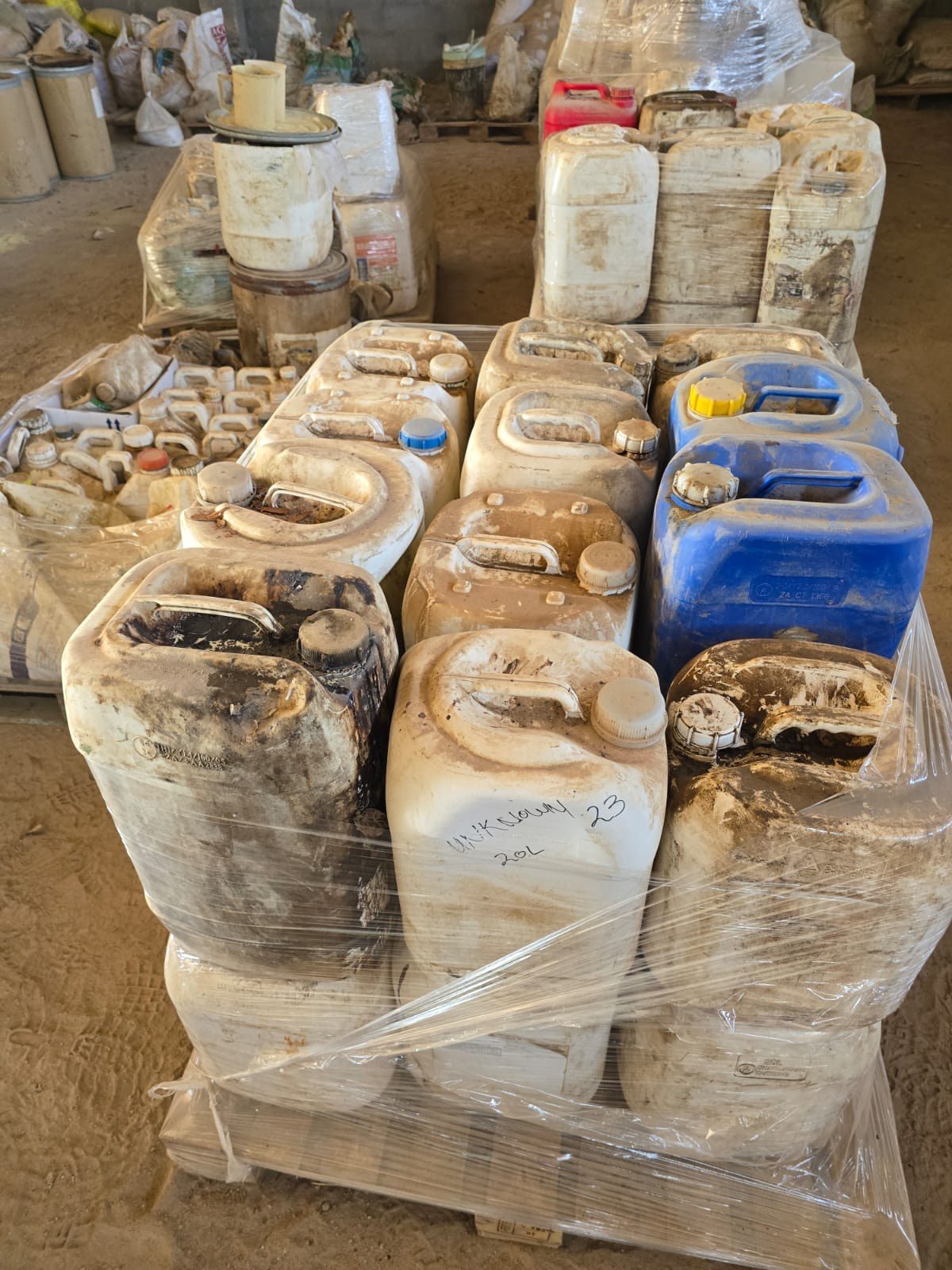
When the label is gone. Containers whose contents can no longer be identified are marked “UNKNOWN”, with their size and an inventory number, so they can be listed on the inventory and handled as the most hazardous category until identified.
What not to do
- Do not bury, burn or dump obsolete pesticides, or pour them into drains, toilets, rivers or onto the soil.
- Do not mix different products together or decant them into other containers (such as cold drink bottles).
- Do not remove or deface labels.
- Do not sell, donate or give obsolete or banned products to anyone.
- Do not try to use expired or banned products “just to finish them off”.
- Do not transport obsolete pesticides yourself unless you are allowed to under dangerous goods rules. Wait for the licensed contractor.
- Do not hand them to anyone other than a licensed hazardous waste contractor arranged through the PRO.
What information we need
To plan a collection, we need:
- the name of the owner or company, the contact person, telephone number and email address;
- the physical address and GPS location of the store, and the province and nearest town;
- the completed standard inventory (product name, active ingredient, L-number, quantity, pack size and number of containers);
- the condition of the products and packaging (intact, leaking, corroded or unlabelled), with photos if possible;
- whether the products are expired, banned, spilled or unknown;
- the type of user (farm, PCO, consumer or government agency);
- site access details (vehicle size limits and availability for collection).
Request assistance
To request assistance with the collection of obsolete pesticides or contaminated packaging, complete the relevant standard inventory and send it to the CropLife SA PRO. A member of the PRO team will contact you to confirm the details, give guidance on safe storage until collection, and schedule the collection.