Document
2024/02/23
Plant Biotechnology
BFAP CropLife GM Crop Area Assessment 2021/22 Season
BFAP CropLife GM Crop Area Assessment 2021/22 season.

Already a member? Log In
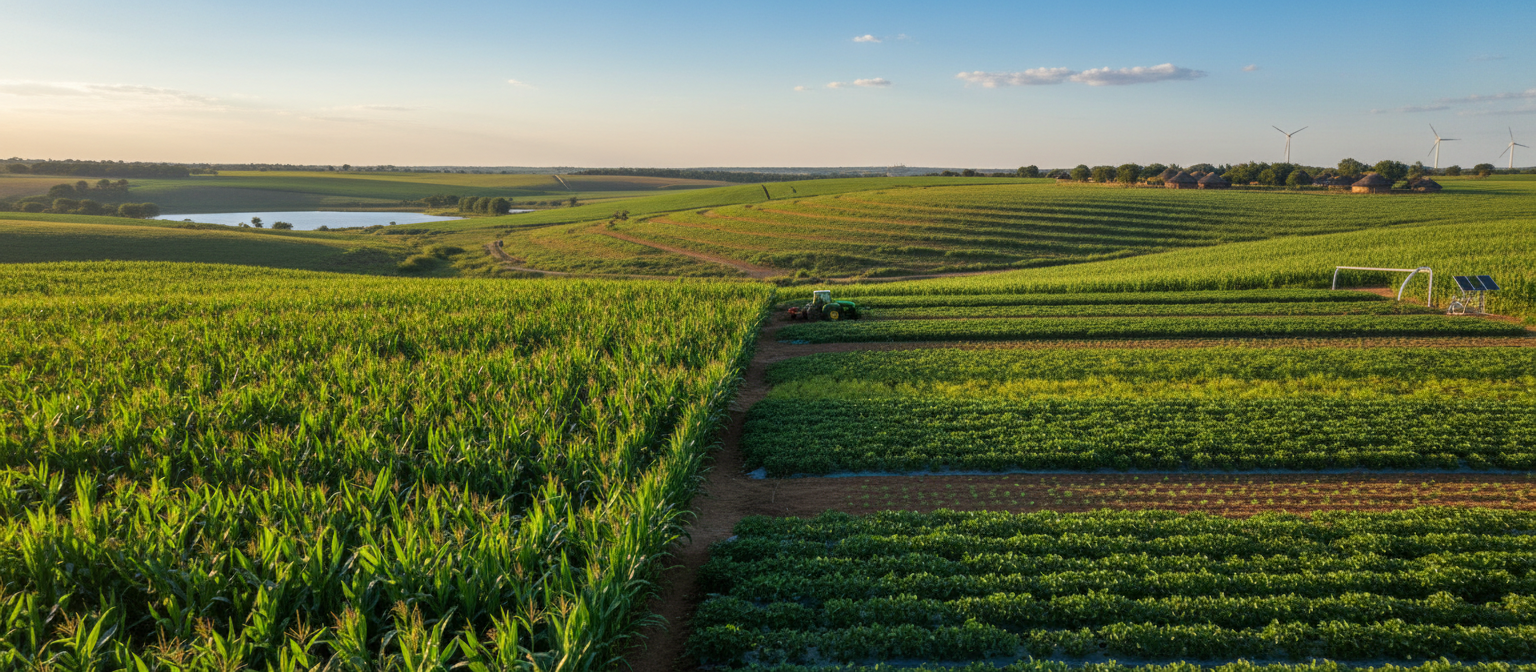
Precision science delivering crops with insect and disease resistance, enhanced nutrition and climate resilience for South African agriculture.
Science
Unlike traditional crossbreeding, which randomly mixes thousands of genes to find a desirable trait, plant biotechnology allows scientists to select and transfer specific, well-characterized genes. This precision ensures crops gain beneficial traits-such as insect resistance or drought tolerance-without unintended characteristics.
Innovation
Modern agricultural biotechnology introduces vital characteristics designed to protect harvests and support biodiversity. From pest resistance to nutrition, local farmers rely on these developments:
Insect Resistance
Built-in defenses against destructive pests, reducing pesticide usage.
Herbicide Tolerance
Allows efficient weed management without damaging the primary crop.
Improved Nutrition
Enhancing vitamins and essential nutrients for better food safety.
Drought Tolerance
Crops designed to survive and yield amidst South Africa's changing climate.
Benefits
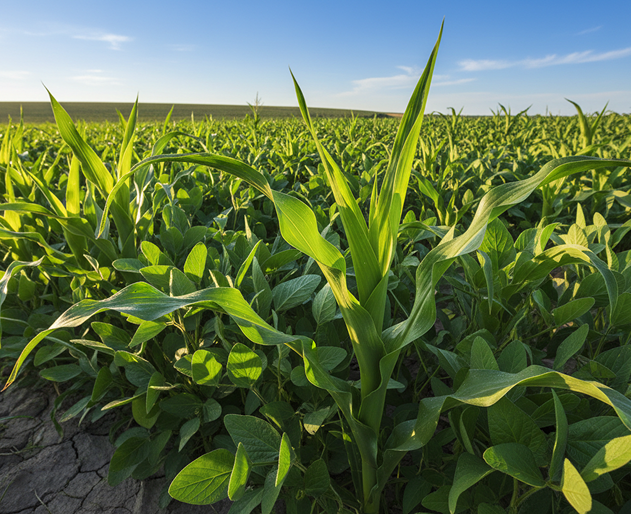
While genetic modification technology has been around for almost 30 years, biotech crops on the market have been dominated by input traits that assist farmers improve their production efficiencies by minimising crop losses due to pests and diseases. These improved production efficiencies have not only brought benefits to agriculture, but significant increases in yield have also ensured that consumers have continuous access to an affordable and safe food supply. This has also translated into food being produced more sustainably, using less land and inputs with reduced environmental impact.
Biotech crops that directly address consumer needs include crops with enhanced nutritional qualities, as well as those that limit food spoilage and waste, such as canola and soybean with higher levels of healthy fats, "golden rice" varieties with extra beta carotene to prevent vitamin A deficiency and arctic apples that do not turn brown after slicing.
Innovation
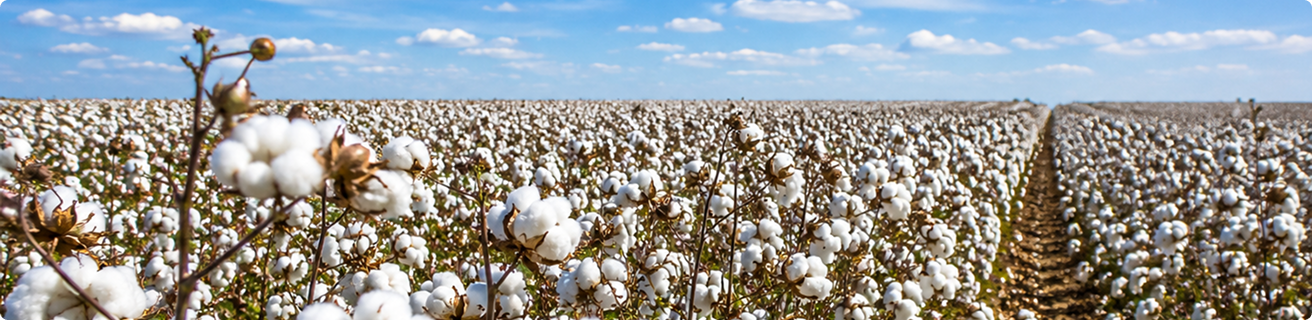
Advances in plant biotechnology has introduced new plant breeding innovations, collectively known as genome editing technologies or locally referred to as New breeding techniques (NBTs), to deliver products that are beneficial to both farmers and society. These technologies builds on our understanding of plant breeding and plant genetics and facilitates crop improvement in a more precise and efficient way to develop new plant varieties. What makes genome editing technologies different from genetic modification, is that it doesn’t introduce foreign DNA from other species, instead its allows edits to be made within the plant’s native genome, similar to improvements derived through the conventional breeding process, but in a more timely and precise manner.
The utilization of genome editing technologies in plant science research continues to advance at a rapid pace, promising to deliver products that improve the productivity, resilience and sustainability of our agricultural food production system. To ensure that the value and benefit of these innovations reaches consumers and farmers, a harmonized, proportionate and science based policy approach will be essential.
Why It Matters
Explore our four-part educational video series on the real-world benefits of plant biotechnology in South Africa. Discover how biotech supports food access, environmental protection, food security, and consumer safety - helping build a more sustainable and resilient agricultural future.
Resources
8 Resources Found — explore key research documents on plant biotechnology in South Africa.
8 Resources Found in 1 Category
BFAP CropLife GM Crop Area Assessment 2021/22 season.
Farm income and production impacts from the use of genetically modified (GM) crop technology, 1996-2020.
Genetically Modified (GM) Crop Use 1996-2020: Impacts on Carbon Emissions.
Genetically Modified (GM) Crop Use 1996-2020: Environmental Impacts Associated with Pesticide Use Change.
Annual global overview of commercialised biotech/GM crop adoption.
A visual guide to modern genome-editing techniques (NBTs).
Overview of the safety assessment process for biotech-derived crops.
A case study on smallholder adoption of insect-resistant cotton.
| Title | Type | Date | Category | Description | Actions |
|---|---|---|---|---|---|
| BFAP CropLife GM Crop Area Assessment 2021/22 Season | Document | 2024/02/23 | Plant Biotechnology | BFAP CropLife GM Crop Area Assessment 2021/22 season. |
|
| Farm Income and Production Impacts | Document | 2024/02/23 | Plant Biotechnology | Farm income and production impacts from the use of genetically modified (GM) crop technology, 1996-2020. |
|
| GM Crop Use 1996-2020: Carbon Emissions | Document | 2024/02/23 | Plant Biotechnology | Genetically Modified (GM) Crop Use 1996-2020: Impacts on Carbon Emissions. |
|
| GM Crop Use 1996-2020: Pesticide Impact | Document | 2024/02/23 | Plant Biotechnology | Genetically Modified (GM) Crop Use 1996-2020: Environmental Impacts Associated with Pesticide Use Change. |
|
| Global Status of Commercialised Biotech Crops | Document | 2023/11/08 | Plant Biotechnology | Annual global overview of commercialised biotech/GM crop adoption. |
|
| How Gene Editing Works | Infographic | 2023/09/14 | Plant Biotechnology | A visual guide to modern genome-editing techniques (NBTs). |
|
| Biotech Crop Safety Assessment Guide | Document | 2023/06/20 | Plant Biotechnology | Overview of the safety assessment process for biotech-derived crops. |
|
| Bt Cotton Adoption in South Africa | Case Study | 2023/03/02 | Plant Biotechnology | A case study on smallholder adoption of insect-resistant cotton. |
|